Phenotype (clinical medicine)
Observable disease traits without mechanistic implication.
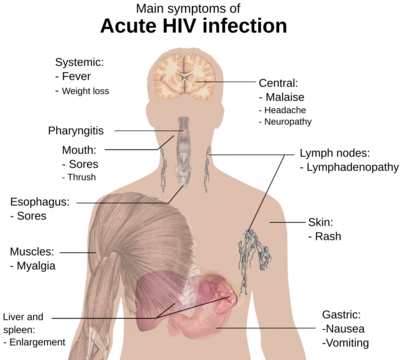
In clinical medicine, the term phenotype is used to describe the observable presentation of a disease, including its morphology, development, biochemical or physiological properties, or behavior, without implying any underlying mechanism. It is complementary to the concept of endotype, which refers to the pathogenesis of the disease irrespective of its presentation.
- field
- Clinical medicine
- known_for
- Describing the observable presentation of a disease
- etymology
- From Greek phainein 'to show' and typos 'type'
Lore & Background
The term phenotype in clinical medicine derives from Greek roots meaning 'to show' and 'type', and normally refers to the presentation of a trait in an individual. In this context, it specifically denotes the presentation of a disease entity. A clinical phenotype is the presentation of a disease in a given individual, encompassing any observable characteristic such as morphology, development, biochemical or physiological properties, or behavior, with no implication of a mechanism.
Reader's Guide
The concept of phenotype in clinical medicine is significant because it allows clinicians and researchers to describe and classify diseases based on observable features, independent of their underlying causes. This distinction is crucial for understanding heterogeneous conditions where different patients may present with similar symptoms but have different disease mechanisms (endotypes). Some organizations have developed specialized meanings; for example, in chronic obstructive pulmonary disease (COPD), phenotype refers to 'a single or combination of disease attributes that describe differences between individuals with COPD as they relate to clinically meaningful outcomes'. This usage is broadly applied across specialties, such as in asthma research. The complementary concept of endotype focuses on pathogenesis, ignoring presentation, highlighting the need to separate observable traits from causal pathways in medical classification and treatment.
Did You Know?
- The word phenotype comes from Greek phainein 'to show' and typos 'type'.
- In clinical medicine, phenotype refers to the presentation of a disease, while endotype refers to its pathogenesis.
- In COPD research, phenotype means 'a single or combination of disease attributes that describe differences between individuals with COPD as they relate to clinically meaningful outcomes'.
- The term phenotype in this context implies no mechanism, only observable characteristics.
More in Symptoms 1-24
Spotted an error? Know more?
This is a living reference — every entry is fact-audited, and reader corrections feed straight into our audit queue. Suggest an edit · See this site's audit record