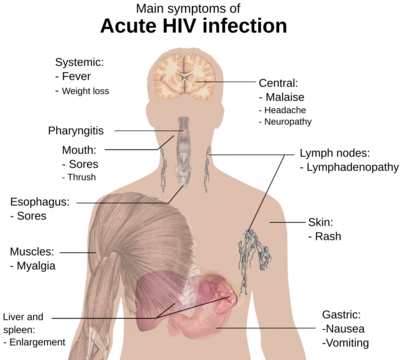
Jarisch–Herxheimer reaction
A transient inflammatory reaction after antibiotic treatment for spirochete infections.
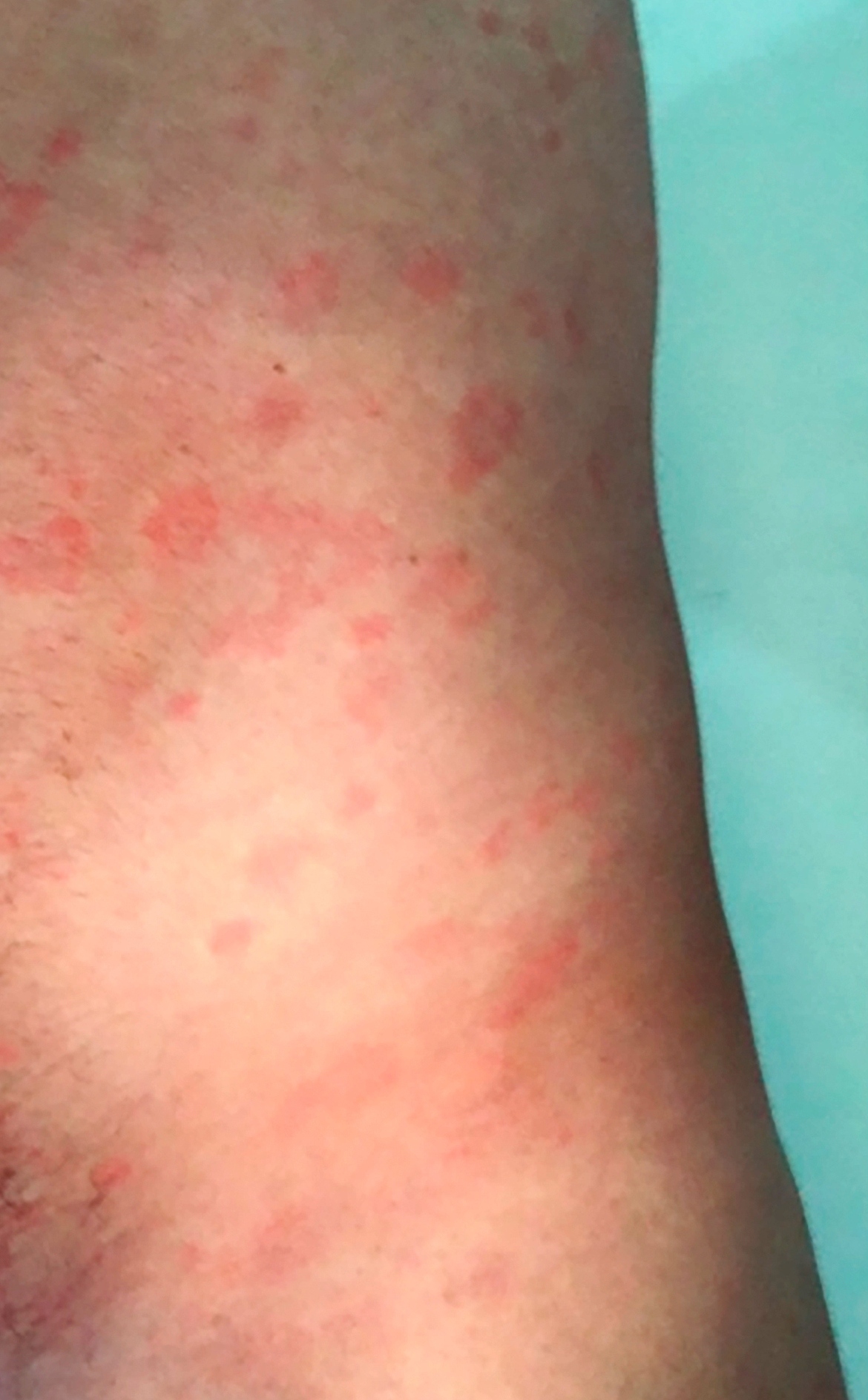
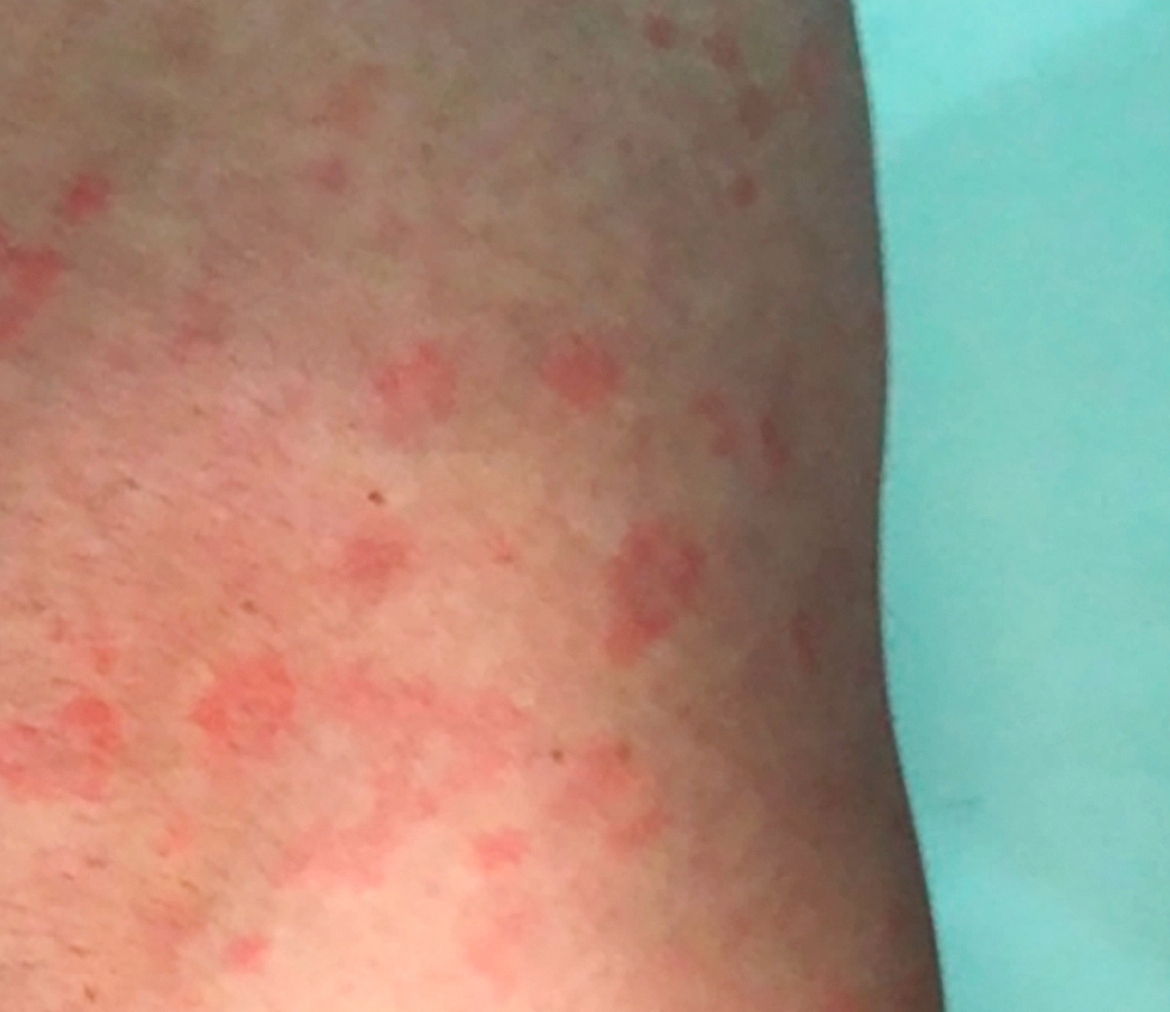
The Jarisch–Herxheimer reaction is a sudden, typically transient reaction that may occur within 24 hours of administering antibiotics for an infection by a spirochete, including syphilis, leptospirosis, Lyme disease, and relapsing fever. It is characterized by fever, chills, headache, low blood pressure, and worsening of skin lesions, and may be mistaken for an allergic reaction to the antibiotic. The reaction is usually self-limiting but can be life-threatening if it causes a significant drop in blood pressure leading to multi-organ failure.
- field
- Dermatology, Infectious disease
- known_for
- Discovery of the Jarisch–Herxheimer reaction in patients with syphilis treated with mercury
- associated_conditions
- Syphilis, Lyme disease, relapsing fever, leptospirosis
Lore & Background
Both Adolf Jarisch, an Austrian dermatologist, and Karl Herxheimer, a German dermatologist, are credited with the discovery of the Jarisch–Herxheimer reaction. They observed reactions in patients with syphilis treated with mercury. The reaction was first seen following treatment in early and later stages of syphilis treated with Salvarsan, mercury, or antibiotics. Jarisch thought that the reaction was caused by a toxin released from the dying spirochetes.
Reader's Guide
The Jarisch–Herxheimer reaction is a well-recognized phenomenon in the treatment of spirochete infections, particularly syphilis. Its significance lies in its potential to mimic allergic reactions or sepsis, leading to misdiagnosis. The reaction is believed to be induced by lipoproteins released from dying Treponema pallidum, triggering an increase in inflammatory cytokines such as tumor necrosis factor alpha, interleukin-6, and interleukin-8. While usually self-limiting, severe cases can cause life-threatening hypotension and end-organ injury. Management includes monitoring, IV fluids, and anti-inflammatory agents like aspirin or ibuprofen, though steroids are generally of no benefit. Meptazinol and anti-TNF-α may reduce severity. The reaction underscores the importance of recognizing treatment-related inflammatory responses in infectious disease therapy.
Did You Know?
- The Jarisch–Herxheimer reaction may occur within 24 hours of antibiotic administration for spirochete infections.
- It can be mistaken for an allergic reaction to the antibiotic.
- The reaction is associated with an increase in inflammatory cytokines such as tumor necrosis factor alpha, interleukin-6, and interleukin-8.
- Both Adolf Jarisch and Karl Herxheimer observed the reaction in syphilis patients treated with mercury.
Clinical Presentation and Recognition
The Jarisch–Herxheimer reaction typically announces itself within one to three hours after the first dose of antibiotics, with most cases emerging within roughly two hours of drug administration. Patients experience a constellation of acute symptoms: fever, chills, and rigors; a racing heart; a drop in blood pressure; rapid breathing; a pounding headache; flushing and visible vasodilation; deep muscle aches; and a noticeable worsening of existing skin lesions. Anxiety is also frequently reported. The overall intensity of these manifestations is thought to mirror the degree of underlying inflammation. Because the presentation overlaps significantly with an allergic drug reaction or even sepsis, clinicians must carefully distinguish it from those conditions. A key differentiator is the trajectory: unlike sepsis, recovery from a Jarisch–Herxheimer episode tends to be much faster, and the need for aggressive interventions such as vasopressor support to prop up blood pressure is rare. In most instances the reaction is self-limiting, though in severe presentations a profound fall in blood pressure can precipitate acute end-organ injury and, in the worst cases, cascade into multi-organ failure.
Mechanism and the Spirochete Connection
Although the reaction is most classically linked to antimicrobial therapy for syphilis, it is not confined to that single disease. Clinicians have documented it following treatment of other spirochetal infections, including Lyme disease, relapsing fever, and leptospirosis. Beyond the spirochete family, scattered case reports have tied the phenomenon to Q fever, bartonellosis, brucellosis, trichinellosis, and African trypanosomiasis, suggesting a broader biological principle at work. The leading mechanistic explanation centers on lipoproteins shed by Treponema pallidum as the organisms are killed by antibiotics. These molecular fragments are believed to trigger a robust inflammatory cascade. During the period of clinical exacerbation, levels of key pro-inflammatory cytokines rise measurably, specifically tumor necrosis factor alpha, interleukin-6, and interleukin-8. This cytokine surge is thought to drive the systemic symptoms—fever, vasodilation, hypotension—that define the episode. Historically, Jarisch himself proposed that the reaction stemmed from a toxin liberated by the dying spirochetes, an intuition that aligns broadly with the modern lipoprotein-driven model.
Management and Therapeutic Strategies
Because the reaction is usually self-limiting, management focuses on monitoring and symptomatic support rather than aggressive intervention. Close observation for signs of cardiovascular collapse and shock is essential, and intravenous fluid resuscitation may be needed to sustain adequate blood pressure during the acute window. Anti-inflammatory agents are the mainstay of adjunctive therapy: oral aspirin or ibuprofen taken every four hours over the course of a day has been employed to blunt the inflammatory response. Prednisone at sixty milligrams, given either orally or intravenously, has also been used as a supplementary measure, though the evidence suggests that corticosteroids are generally of no meaningful benefit in this setting. Where available, meptazinol—an opioid analgesic with mixed agonist-antagonist properties—may be administered to reduce the overall severity of the episode. More targeted approaches, such as agents that inhibit tumor necrosis factor alpha, have shown potential effectiveness. Prophylactic administration of anti-inflammatory drugs before the first antibiotic dose is another strategy considered to prevent the reaction from progressing.
Historical Discovery and Broader Context
The eponym honors two dermatologists working in the early twentieth century: Adolf Jarisch of Austria and Karl Herxheimer of Germany. Both independently observed the dramatic post-treatment reaction in patients with syphilis who were being treated with mercury compounds. The phenomenon was first documented across multiple therapeutic eras, appearing after administration of Salvarsan, mercury, and later antibiotics, and was noted in both early and advanced stages of the disease. Jarisch attributed the reaction to a toxin released as the spirochetes died, a hypothesis that anticipated modern understanding of lipoprotein-mediated inflammation. The reaction occupies a distinctive niche in medical taxonomy. It is sometimes confused with a simple drug allergy, yet its pathophysiology is fundamentally different. It also shares conceptual ground with immune reconstitution inflammatory syndrome, another systemic inflammatory flare triggered by antimicrobial treatment, and with the Jarisch-Bezold reflex, a related hemodynamic phenomenon. Together, these conditions illustrate a recurring theme: the body's inflammatory machinery can be paradoxically activated by the very act of eliminating an infection.
Gallery
More in Symptoms 1-24
Spotted an error? Know more?
This is a living reference — every entry is fact-audited, and reader corrections feed straight into our audit queue. Suggest an edit · See this site's audit record