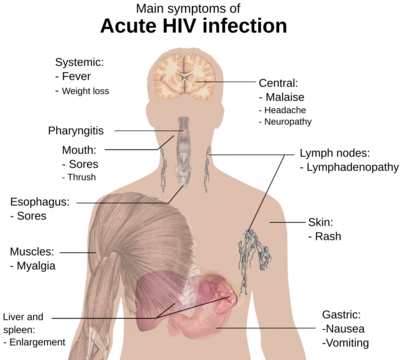
Fatigue
A prolonged state of low energy, both medical and normal.

Wikipedia / Wikimedia Commons
Fatigue is a prolonged state of lacking energy. The term is used in two distinct ways: one medical, the other referring to ordinary tiredness.
In a medical context, fatigue is a symptom. It can be linked to conditions like autoimmune disease, organ failure, mood disorders, heart disease, infectious diseases, or states following an infection. However, fatigue is complex, and in about a third of primary care cases, no medical or psychiatric cause is identified. A 2021 review proposed a working definition: fatigue is a multi-dimensional phenomenon affecting the body’s biophysiological, cognitive, motivational, and emotional state, significantly impairing a person’s ability to function normally. Another definition describes it as a significant subjective sensation of weariness, an increasing sense of effort, a mismatch between effort and performance, or exhaustion that is not due to medications, chronic pain, physical deconditioning, anemia, respiratory issues, depression, or sleep disorders.
In the sense of normal tiredness, fatigue often follows prolonged physical or mental activity. Physical fatigue stems from muscle fatigue after intense exercise. Mental fatigue results from extended cognitive activity, impairing thinking, and can show up as sleepiness, lethargy, or directed attention fatigue, and can also hinder physical performance.
Using the word “fatigue” in medical settings can carry misleading connotations from everyday speech. More precise terms may be needed for different variants under the fatigue umbrella.
**Comparison with other terms**
- **Tiredness:** Normal tiredness from work, stress, anxiety, overstimulation, understimulation, jet lag, recreation, boredom, or lack of sleep is not medical fatigue. This is the tiredness described in MeSH Descriptor Data. - **Exhaustion:** A state of extreme tiredness. - **Sleepiness:** A tendency to fall asleep, whereas fatigue is an overwhelming sense of tiredness, lack of energy, and exhaustion. They often coexist due to sleep deprivation but may not correlate. Fatigue is generally longer-term than sleepiness.
**Classification** Fatigue is coded as ICD-11 MG22.
**Presentation**
Common features of medical fatigue include: unpredictability; variable severity; being relatively profound or overwhelming with a major impact on daily life; not improving with rest; and, when an underlying disease is present,
- ICD-11 Code
- MG22
- Medical Context
- Symptom of various diseases
- Normal Context
- Result of prolonged physical or mental activity
- Primary Care Cases Without Diagnosis
- Up to one third
- Common Associations
- Autoimmune disease, organ failure, mood disorders, heart disease, infectious diseases
Lore & Background
Fatigue is a complex phenomenon that can be driven by biopsychosocial factors. In the medical sense, it is seen as a symptom and is sometimes associated with autoimmune disease, organ failure, mood disorders, heart disease, infectious diseases, and post-infectious-disease states. However, in up to a third of primary care cases no medical or psychiatric diagnosis is found. Fatigue in the sense of tiredness often follows prolonged physical or mental activity, with physical fatigue resulting from muscle fatigue and mental fatigue from prolonged cognitive activity.
Reader's Guide
Fatigue is significant as a common symptom that can indicate underlying disease or simply result from normal life. Its complexity is highlighted by the fact that in many cases no cause is identified. The distinction between medical fatigue and normal tiredness is crucial for diagnosis and treatment. Fatigue is categorized as ICD-11 code MG22, and its features include unpredictability, variability, lack of improvement with rest, and often being disproportionate to underlying disease severity. Differentiating characteristics such as post-exertional malaise, heat or cold sensitivity, and daily variability help identify possible causes. Fatigue is associated with a wide range of physical diseases, mental illnesses, and other conditions, including ME/CFS, cancer, and COVID-19. Its impact on daily living can be profound, making it a key focus in clinical assessment and patient care.
Did You Know?
- Fatigue is categorized as ICD-11 code MG22.
- In up to a third of primary care cases, no medical or psychiatric diagnosis is found for fatigue.
- Fatigue can be distinguished from sleepiness, which refers to a tendency to fall asleep.
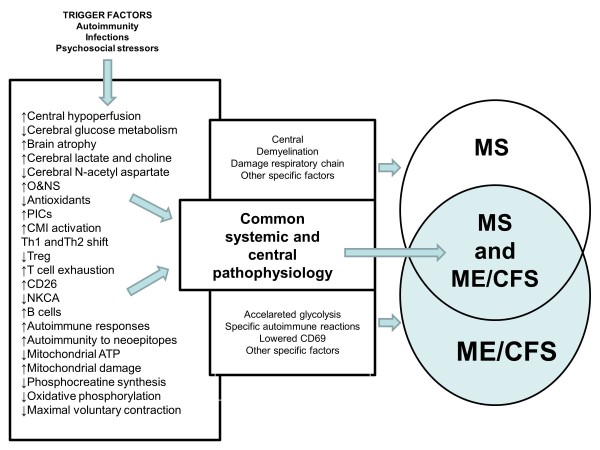
- Post-exertional malaise is a common feature of ME/CFS.
Gallery



More in Symptoms 1-24
Spotted an error? Know more?
This is a living reference — every entry is fact-audited, and reader corrections feed straight into our audit queue. Suggest an edit · See this site's audit record